Bridgeton Main Street is hosting the 2026 Holiday House Tour on
Saturday, December 5th from
3:00 to 7:00 p.m.
There will historical homes and buildings on the tour, many featuring their own individual entertainment, including displays, music, food and drinks.
Parking options:
1) Commerce Street (free on-street parking)
2) Laurel Street (free on-street parking)
3) 1 East Broad Street (large free municipal parking lot)
4) After 2 pm: 16 East Commerce Street is a large municipal parking lot
5) 14 N. Pearl Street
6) Lake Street
7) For SITE #15, only park in the Broad Street School parking lot, not on West Avenue.
Most sites are walkable from downtown parking.
Must show your ticket tag at each
tour site for entry.
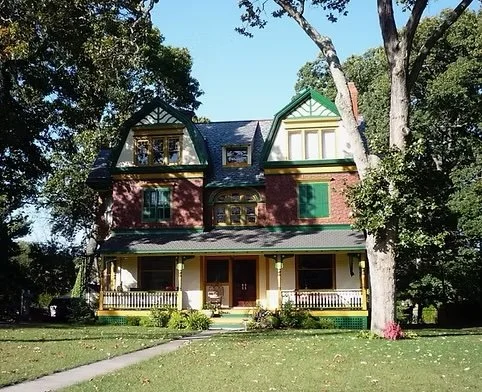
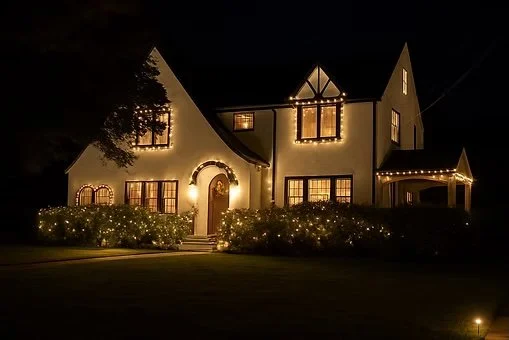
The county seat of Cumberland County since 1748, the City of Bridgeton straddles the Cohansey River at about the place where Richard Hancock established a sawmill in 1686. We are celebrating the 326th anniversary of that “founding” event this year. Bridgeton takes its name, however, from the 1716 bridge that offered the first convenient overland route from the Atlantic bayshore to the markets of Philadelphia. From there it grew into a “port” city complete with Customs House and Port Authority. Cumberland Nail & Iron Works launched a manufactory here in 1814, and soon expanded industry to both sides of the river. Bridgeton became a center for glass production, metal and machine works, food processing, and even textile manufacture. Incorporated in 1865, the city was considered, post-Civil War, the most prosperous in New Jersey. New industrial wealth made Bridgeton a pioneer in education. By the 1890s, it was home to Ivy Hall, Seven Gables, South Jersey Institute, West Jersey Academy, and several major public schools. The same wealth inspired elegant mansions for the gentry, while gingerbread charm and craftsman pride became hallmarks of smaller homes for managers and workers. With the twentieth century came a new rainbow of workers, creating a crazy-quilt of ethnic neighborhoods that still tell the story of an industrial community as perhaps few American cities can. When the Iron Works closed in 1899, conservationists reclaimed its 1100-acre watershed as the City Park, now one of the largest urban parks in the state and home to New Jersey’s first (and now oldest) free public Zoo. Foresighted locals saw the legacy of Bridgeton’s built environment and in 1983 defined New Jersey’s largest National Register Historic District (2200 properties). Recently, Rutgers University located its Institute of Marine and Coastal Sciences in the former David Sheppard House, reaffirming Bridgeton as educational pioneer.
Today’s tour presents a welcoming American city, and offers a glimpse into a time-capsule of the American dream. Come celebrate it with us!